Introduction
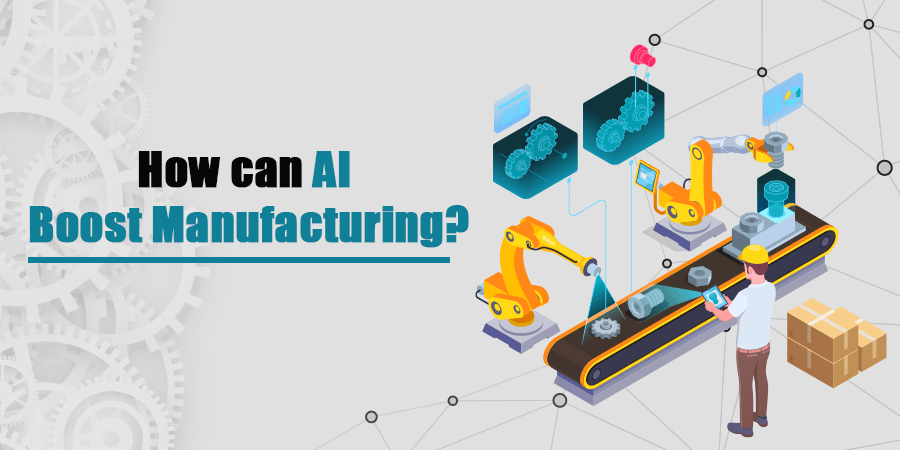
In the rapidly evolving landscape of manufacturing, Artificial Intelligence (AI) has emerged as a transformative force, driving unprecedented efficiency, optimization, and innovation across various facets of the industry. This article explores key use cases of AI in manufacturing, focusing on predictive maintenance, inventory management, production planning, and procurement. These applications represent a paradigm shift, empowering manufacturers to enhance operational excellence, reduce costs, and stay competitive in an increasingly dynamic market.
AI in Predictive Maintenance
Predictive maintenance is a cornerstone of modern manufacturing, and AI is at the forefront of revolutionizing how equipment and machinery are maintained. Traditionally, maintenance practices relied on scheduled checks or reactive approaches, leading to downtime and increased costs. AI in predictive maintenance changes this by leveraging machine learning algorithms to analyze real-time data from sensors and machinery.
The predictive maintenance model anticipates potential equipment failures by identifying patterns and anomalies in data. This proactive approach allows manufacturers to schedule maintenance during planned downtime, preventing unexpected breakdowns and minimizing operational disruptions. The result is not only increased equipment reliability but also substantial cost savings through optimized maintenance schedules and reduced downtime.
AI in Inventory Management
Effective inventory management is critical for manufacturing operations, and AI is bringing a new level of sophistication to this aspect. Traditional inventory management systems often struggle to adapt to dynamic demand patterns, leading to overstock or stockouts. AI in inventory management addresses these challenges by analyzing historical data, demand forecasts, and external factors in real-time.
AI algorithms can optimize inventory levels, ensuring that manufacturers have the right amount of raw materials and finished goods to meet demand without excess or shortage. This dynamic approach not only reduces carrying costs but also enhances customer satisfaction by ensuring timely order fulfillment. AI in inventory management contributes to leaner, more efficient supply chains and fosters agility in responding to market fluctuations.
AI in Production Planning
Production planning is a complex task that involves coordinating resources, scheduling operations, and optimizing workflows. AI is transforming production planning by analyzing vast amounts of data to make informed decisions and enhance overall efficiency. The integration of AI in production planning allows manufacturers to align production schedules with demand patterns, minimizing bottlenecks and optimizing resource utilization.
Machine learning algorithms can consider various factors, such as historical production data, market trends, and supply chain information, to optimize production schedules. This results in reduced lead times, improved production throughput, and increased overall efficiency. AI-driven production planning not only enhances operational excellence but also contributes to sustainability efforts by minimizing waste and resource consumption.
AI in Procurement
Procurement is a fundamental aspect of manufacturing, and AI is playing a pivotal role in optimizing sourcing and supplier management. AI in procurement systems streamline the procurement process by automating routine tasks, improving decision-making, and enhancing supplier relationships. These systems leverage advanced analytics and machine learning to analyze supplier performance, track market trends, and identify potential risks in the supply chain.
Automated procurement processes, such as invoice processing, purchase order generation, and vendor communication, enable procurement professionals to focus on strategic activities like supplier relationship management and strategic sourcing. This not only improves overall procurement outcomes but also contributes to cost savings, risk mitigation, and more efficient supply chain management.
Conclusion
The integration of AI into manufacturing operations is ushering in a new era of efficiency, optimization, and innovation. From predictive maintenance to inventory management, production planning, and procurement, AI is proving to be a transformative force. Manufacturers leveraging AI technologies stand to gain a competitive edge by enhancing operational excellence, reducing costs, and staying agile in response to market dynamics.
As the manufacturing industry continues to embrace the potential of AI, the synergy between human expertise and AI capabilities promises to redefine traditional practices and unlock new possibilities for growth and sustainability. The use cases highlighted in this article showcase the versatility and impact of AI in manufacturing, paving the way for a future where smart technologies drive continuous improvement and resilience in the manufacturing sector.
 All About Metaverse